News

Paul Cebar review in Milwaukee Journal Sentinel

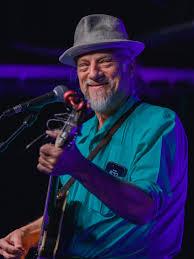
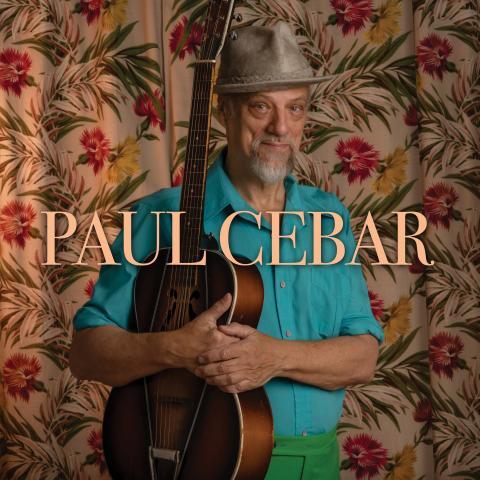
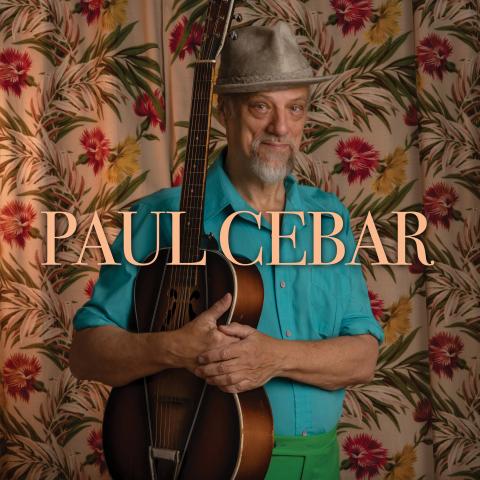
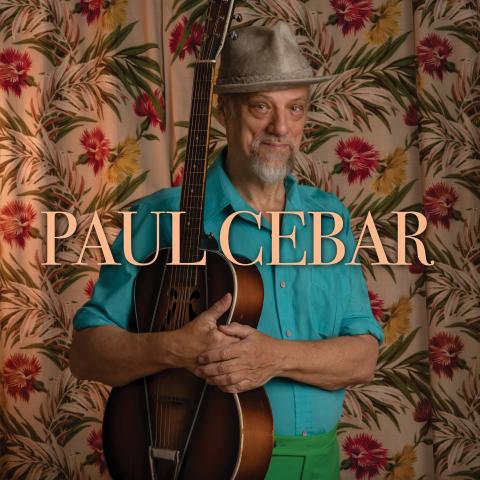
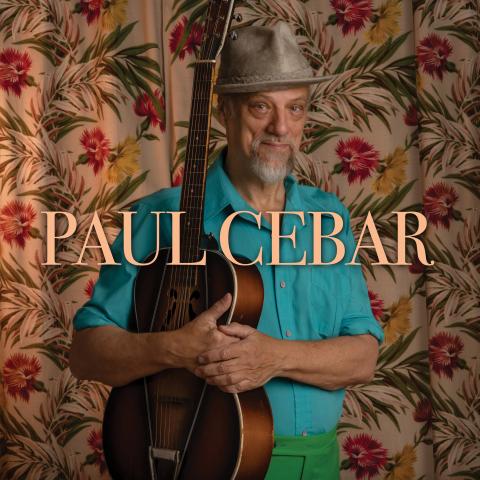
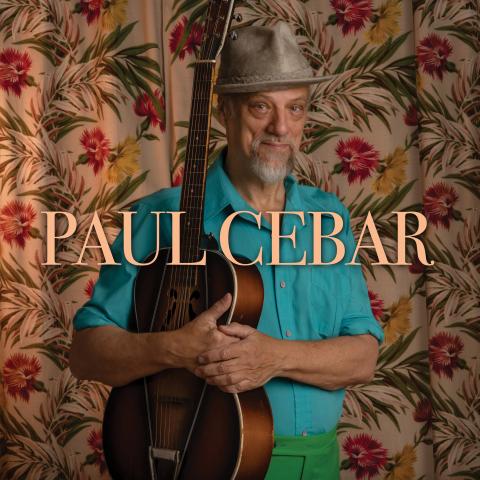
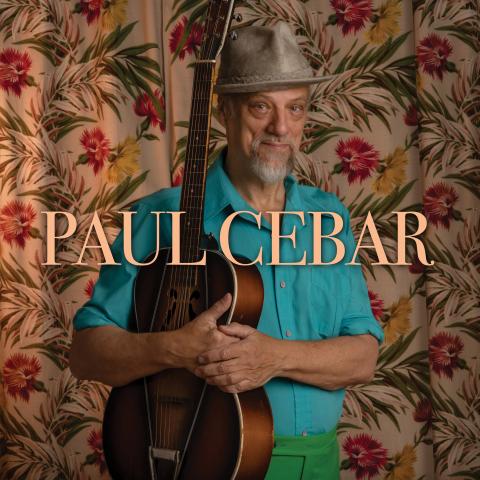
Paul Cebar kicks off 50th anniversary with sharp new songs at Vivarium

By. Piet Levy 


At this point, Paul Cebar isn’t just a Milwaukee musician. He’s an institution.

This year marks five decades since Cebar first started rocking around town, developing a singular songbook inspired by New Orleans funk, bluesy soul, Latin American rhythms, Caribbean grooves and beyond. 

His songs have been shared as a solo artist and through several celebrated bands - the R&B Cadets, Paul Cebar and the Milwaukeeans, Paul Cebar Tomorrow Sound - and been championed by accomplished friends like Bonnie Raitt, Nick Lowe and Los Lobos. He's on the Milwaukee Journal Sentinel's list of the most impactful Wisconsin musicians of the past 100 years. And beyond the gift of his own music, Cebar’s blessed Milwaukee with a one-of-kind radio program on WMSE-FM (91.7), “Way Back Home,” for over 30 years.

He's earned the victory lap, but he isn't taking it.

FULL ARTICLE

Paul Cebar in Milwaukee Record’s favorite Milwaukee music of 2025

Milwaukee Record’s favorite Milwaukee music of 2025

Milwaukee Record Staff

FULL ARTICLE


Paul Cebar’s 40-plus-year history in Milwaukee music could fill volumes. There’s his role as ambassador and hep-cat conduit for vintage R&B, soul, roots, and Afro-Caribbean music. There’s his work with The R&B Cadets, the Milwaukeeans, and Tomorrow Sound. And there’s his long-running “Way Back Home” show on 91.7 WMSE. Cebar’s self-titled 2025 record is just as wide-ranging and globally attuned as the man himself. The one-two opening punch of “When We Sing” and “We Sure Got Enough” is deliriously jubilant, Cebar at his most soulful and get-up-and-dance crowd-pleasing. “We bring a lot together when we sing,” he croons on the former song. There’s real joy emanating from these tracks, and real joy emanating from the record as a whole.

Paul Cebar Review in Milwaukee Record

Paul Cebar On Fantastic Eponymous Album

What does it mean when a musician releases an eponymous album decades into their career? For Milwaukee music icon Paul Cebar, it apparently means that the album is his best work yet.

Cebar’s 40-plus-year history in Milwaukee music could fill volumes. There’s his role as ambassador and hep-cat conduit for vintage R&B, soul, roots, and Afro-Caribbean music. There’s his work with The R&B Cadets, the Milwaukeeans, and Tomorrow Sound. There’s his constant presence at Summerfest and every other Fest on the Milwaukee summer calendar. And there’s his “Way Back Home” show on 91.7 WMSE, celebrating 35 years in 2025. “Paul is such an inspiration to me, and he’s such a great artist himself,” Bonnie Raitt said at a 2023 Riverside Theater show, “but man, that radio show, I listen to it every week. It’s killer.”

Which brings us to the eponymous Paul Cebar, Cebar’s first full-length record since 2014’s Fine Rude Thing. It’s just as wide-ranging and globally attuned as the man himself. The one-two opening punch of “When We Sing” and “We Sure Got Enough” is deliriously jubilant, Cebar at his most soulful and get-up-and-dance crowd-pleasing. “We bring a lot together when we sing,” he croons on the former song (originally written for The Blind Boys Of Alabama.) There’s real joy emanating from these tracks.

Elsewhere, the lovely “Sunday Ride” mellows things out for an autumnal road trip, while “Keep On (Lookin’ Like That)” goes full doo-wop. Want some early Elvis Costello-esque garage rock? There’s the terrific “Didn’t Bring It Up.” Want some ’60s-esque folk? Try “If You Lead Me.” How about a little reggae? Stick around for “Hold Out Hope.” Want all of the above mixed into one potent cocktail of genre-spanning songwriting and musicianship? Go ahead and enjoy the rest of the album. (“Back In The Wind” is a rough-and-tumble highlight, and acoustic closer “Dreaming Back” is both heavenly and heartbreaking.)

Paul Cebar features a stellar cast of supporting players from past projects (Mike Fredrickson, Reggie Bordeaux, Bob Jennings), old friends from New Orleans (Derek Huston, Charlie Halloran), a new collaborators from Chicago (Doug Corcoran, Scott Ligon, producer/engineer Alex Hall). But it’s the man behind the record’s name who serves as the main attraction: impossibly eclectic, impossibly cool, his voice smooth and warm and full of life.

“This one’s really where I’m at. This is me,” Cebar says of the album. We’re lucky to have it. We’re lucky to have him.

Paul Cebar (the musician) will celebrate the release of Paul Cebar (the album) Friday, October 3 at Shank Hall.

Paul Cebar Releases Self-Titled Album Today

Cebar's First Album in Over a Decade. Produced by Alex Hall (J.D. McPherson, Nick Lowe)

Milwaukee music icon Paul Cebar returns today with his long-awaited self-titled album, Paul Cebar, out now via StorySound Records. Produced by Alex Hall (J.D. McPherson, The Cactus Blossoms), the album marks Cebar’s first in over a decade and arrives as a deeply personal, stylistically expansive statement from one of America’s most joyful purveyors of R&B, global rhythms, and roots music. The album weaves together themes of love, loss, resilience, and celebration with the sonic threads of soul, reggae, Tex-Mex, gospel, rock, and beyond. Cebar describes the record as his most personal yet: “This one’s really where I’m at. This is me.”

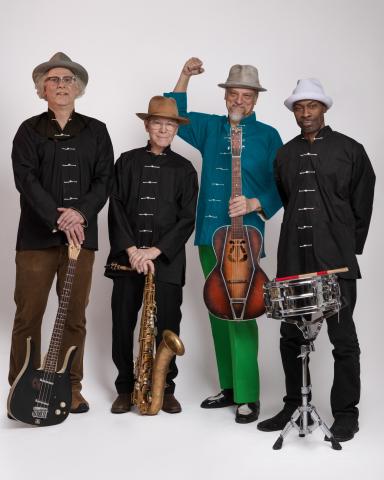
Building on the momentum of early single “When We Sing”—originally penned for the Blind Boys of Alabama and praised for its jubilant, gospel-charged spirit—Paul Cebar showcases the breadth of his songwriting and the depth of his influences. Additional pre-release tracks including “Sunday Ride” and “We Sure Got Enough” evoke shimmering textures, driving rhythms, and heartfelt lyrics tie together the voices of his Tomorrow Sound band with contributions from his extended musical family in New Orleans and Chicago.

Cebar has long been celebrated as a genre-hopping bandleader with encyclopedic knowledge of blues, gospel, Afro-Caribbean, and vintage soul. From his early days with the R&B Cadets and the Milwaukeeans to his current work with Tomorrow Sound, he’s built a reputation as a dance floor-packing, community-driven force. His impact extends beyond the stage with his beloved Way Back Home radio show on Milwaukee’s WMSE, which celebrates its 35th anniversary in 2025.

With Paul Cebar, the musician cements his legacy as a singular storyteller and performer whose work both honors tradition and moves it forward.

BUY or STREAM HERE

Paul Cebar Shares “The Full Sir Doug Treatment” with Single + Video “We Sure Got Enough”

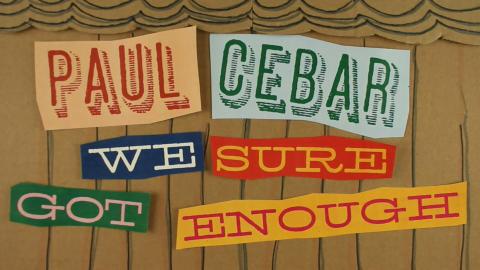
Milwaukee music icon Paul Cebar has unveiled “We Sure Got Enough,” the joyful third and final single from his forthcoming self-titled album, out September 12 via StorySound Records. The track arrives alongside a whimsical stop-motion video crafted by the husband-and-wife duo Mark Lerner and Nancy Howell, known together as The Mark of Nancy.

WATCH “We Sure Got Enough” HERE

Written by Cebar and acclaimed songwriter Pat McLaughlin—whose extensive songwriting credits comprise songs recorded by numerous artists, including Bonnie Raitt, Alan Jackson, and John Prine, The tune channels what Cebar calls “the full Sir Doug treatment,” nodding to Texas music legend Doug Sahm. Born from a writing session at McLaughlin’s song table in Leiper’s Fork, TN, the song revels in a laid-back sense of contentment: “We ain’t broke but we ain’t flush, Girl, we don’t really want for much…”

With Bob Jennings on Vox Continental organ and Derek Huston bringing his Rocky Morales-like “San Antonio” tenor saxophone, “We Sure Got Enough” weaves a warm, easy-grooving blend of soul, R&B, and border-town flair. Unlike the rest of the forthcoming album, which was produced by Alex Hall (The Cactus Blossoms, JD McPherson) this track was recorded and mixed by Larry Phillabaum at Cloudland Recording in Milwaukee, with Cebar himself handling production.

The new album, arriving September 12, spans soul, reggae, Tex-Mex, gospel, rock, and beyond, marking Cebar’s most personal collection yet. As a beloved purveyor of R&B gems and global rhythms, Cebar continues to prove why he’s a cherished presence on stages alongside admirers like Nick Lowe, Bonnie Raitt, and Joe Ely.

BUY or STREAM ALBUM HERE

Paul Cebar Shares Breezy New Track “Sunday Ride,” Second Single from Forthcoming Album Out September 12

Paul Cebar Shares Breezy New Track "Sunday Ride." Produced by Alex Hall (J.D. McPherson, Nick Lowe), New Album is Cebar's First in Over a Decade.
 
Milwaukee groove maestro Paul Cebar returns with “Sunday Ride” — a golden-hued ode to fleeting beauty and band-van reveries — out today via StorySound Records. It’s the second single from his forthcoming self-titled album Paul Cebar, arriving September 12, and follows the jubilant first release “When We Sing.” Capturing the charm and bittersweetness of a crisp early autumn afternoon, “Sunday Ride” evokes a vivid, slow-motion montage: the glint of a matching fringed jacket and saddlebag combo, a Cadillac bearing a “Mr. Jazz” plate, and the gentle unraveling of summer’s last exhale.

“Sunday Ride” is built around a stripped-down guitar performance recorded in Cebar’s Milwaukee record room, played on an unplugged Jerry Jones Danelectro replica. Producer Alex Hall (known for his work with J.D. McPherson, The Cactus Blossoms) captured the track’s warmth and spontaneity, layering in his own drums and adding the rich Hammond stylings of the ever-versatile Scott Ligon. Cebar’s vocals glide with Brenton Wood and Billy Stewart-inspired flair, delivering lyrics lifted straight from a 25-year-old notebook — now resurrected with timeless soul.

Paul Cebar — Cebar’s first full-length album in over a decade — arrives September 12 and traverses the emotional terrain of love, loss, resilience, and celebration. Infused with soul, reggae, gospel, Tex-Mex, and more, the album features members of Cebar’s Tomorrow Sound band alongside musical friends from Chicago and New Orleans. Cebar calls it his most personal work to date: “This one’s really me.”

A lifelong student and selector of R&B, vintage soul, Afro-Caribbean grooves, and American roots music, Cebar has made a career out of weaving global threads into danceable, celebratory sounds. From his early days with the R&B Cadets and the Milwaukeeans to his beloved Way Back Home radio show (celebrating 35 years on WMSE in 2025!), Cebar continues to be a beloved force of curiosity and community.

Paul Cebar Tomorrow Sound On Tour to Promote New Self Titled Album Out Sept 12

Friday, August 8 – Shawano Folk Music Festival, Shawano, WI
Saturday, August 9 – Shawano Folk Music Festival, Shawano, WI
Sunday, August 10 – Shawano Folk Music Festival, Shawano, WI
Saturday, September 6 – Tosa Fest, Wauwatosa, WI
Saturday, September 13 – FitzGerald’s, Berwyn, IL — Record Release Show
Friday, October 3 – Shank Hall, Milwaukee, WI – Record Release Show
Saturday, October 25 – State Street Theater, New Ulm, MN — Opening for Los Lobos
Friday, November 7 – Hook & Ladder, Minneapolis, MN

Paul Cebar Shares Jubilant New Single “When We Sing” From Forthcoming Self-Titled Album Paul Cebar Out September 12

Produced by Alex Hall (J.D. McPherson, Nick Lowe), New Album is Cebar’s First In Over a Decade

Cebar’s Long-Running Way Back Home Radio Show Celebrates 35 Years on Milwaukee’s WMSE This Year!

Milwaukee music icon Paul Cebar returns with “When We Sing,” a soulful, high-spirited new single out June 24 via StorySound Records. It marks the first release from his forthcoming self-titled album, Paul Cebar—a deeply personal and stylistically expansive collection arriving September 12. Rooted in themes of community and perseverance, “When We Sing” channels a Pete Seeger-like spirit, weaving Cebar’s signature global soul sound with gospel fervor and an irresistible rhythmic drive. Originally penned for the Blind Boys of Alabama, the track carries a joyful, communal message—another shining example of why Cebar is a cherished tourmate of on-the-record admirers like Nick Lowe, Bonnie Raitt, and Joe Ely.

Pre-Save The New Album Paul Cebar Here

Built around a shimmering 12-string parlor guitar that lends the track its distinctive texture, “When We Sing” exemplifies Cebar’s craftsmanship and love for soul legends like Dan Penn and Bert Berns, whose influence subtly permeates the song’s timeless feel. Produced in collaboration with Alex Hall (J.D. McPherson, The Cactus Blossoms), the album features members of Cebar’s Tomorrow Sound band, along with notable contributions from his extended musical family in New Orleans and Chicago.

The album, arriving September 12, explores themes of love, loss, resilience, and celebration—woven through with the sonic threads of soul, reggae, Tex-Mex, gospel, rock, and beyond. Cebar, known for decades as a beloved purveyor of R&B gems, world rhythms, and roots music, describes the new album as his most personal yet: “This one’s really where I’m at. This is me.”

With a career spanning decades and genres, Paul Cebar has long been celebrated as a joyful conduit of R&B, global rhythms, and American roots music. From the R&B Cadets and the Milwaukeeans to Tomorrow Sound, he’s built a devoted following as a genre-hopping, dance-floor-packing bandleader with encyclopedic knowledge of blues, gospel, Afro-Caribbean, and vintage soul. That deep curiosity drives everything he does—from his beloved Way Back Home radio show - celebrating 35 years on Milwaukee’s WMSE Radio in 2025! - to collaborations with artists like David Greenberger and his recent folk trio with Peter Mulvey and Willy Porter.

Track List:

1. When We Sing

2. We Sure Got Enough

3. Sunday Ride

4. Keep On (Lookin' Like That)

5. Didn't Bring It Up

6. If You Lead Me

7. (Kick Up) The Lovin’ Sound

8. The Brink of Things

9. Hold Out Hope

10. Back in the Wind

11. Dreaming Back

Ana Egge Rings in the Holidays with a New Country Christmas Single, "Silver Bells Ring"

Ana Egge, the acclaimed singer-songwriter whose work seamlessly blends Americana, country, and folk influences, has released her new holiday single, “Silver Bells Ring,”. This heartfelt Christmas track captures both the beauty and complexity of the season, offering a poignant soundtrack to the holiday spirit.

With its beautiful melody, gentle guitar, and shimmering pedal steel and fiddle, "Silver Bells Ring" is the kind of song you’ll find yourself reaching for again and again. Egge’s warm voice dances through evocative lyrics, painting a vivid picture of family, love, and hardship in the midst of a cold winter’s night. Right from the start, with the opening lyrics—“Silver bells ring, little children sing, on this special night, everything is gonna be alright”—instantly evokes that sense of holiday magic.

While the song captures the sweetness of Christmas, it also brings a dose of honesty, acknowledging the bittersweetness that can often accompany the holidays. Egge touches on the complexities of family and the contrasts of joy and hardship, all wrapped in a tender holiday embrace. The song is a beautiful reminder that the season can hold both light and dark, yet still promise hope.

The track’s playful yet contemplative lyrics—ranging from tinsel on tumbleweeds to quiet reflections by the tree—create an atmosphere of warmth and nostalgia. It’s a song that celebrates the simplicity of Christmas, but also gives space for the full range of emotions that the holiday season stirs up.

“Silver Bells Ring” is both a fresh take and a timeless holiday tune, fitting right in with the classics you’ve known all your life, but with Egge’s unique twist. Whether you're looking for something to hum along to as you wrap presents or to reflect on the true meaning of the season, this song will be the perfect companion.

"Silver Bells Ring" is out now on StorySound Records on all streaming platforms, and it’s certain to find a place in your holiday playlist. The soothing melody and honest lyrics will remind you that—no matter what—the spirit of the season is always close at hand.

Choose your streaming service and Listen HERE

Rolling Stone Feature Linda Thompson 'Proxy Music'

Linda Thompson Can’t Sing Anymore. She Still Has Plenty to Say

The grand dame of the British folk scene lost her voice to spasmodic dysphonia, but a new album featuring guest singers keeps her music alive.

On a recent afternoon in a cinderblock-walled rehearsal room in Brooklyn’s Prospect Park neighborhood, a gem of the British folk-rock movement is returning to life. Fronting a small band, Tammy Faye Starlite, a petite blonde with a commanding voice, is throwing herself into Richard and Linda Thompson’s “Hokey Pokey,” jumping up and down during instrumental breaks.

As Starlite sings, a small, thin woman — in khakis, crisp white sneakers, a blue polo shirt and a sky-blue baseball cap, her brown hair pulled back — rises from her seat on the sidelines. Arms folded, she walks to different corners of the room, head down, listening to the music. Every so often, she moves her hands with the rhythm or does the slightest of jigs.

The only thing Linda Thompson isn’t able to do is sing along with a tune she recorded five decades ago. “I can’t,” she says, sitting back down on a folding chair. “I mean, I really wish I could. It’s enough for me to speak.”

Now 76, Thompson is a grand dame of the British folk scene. Although she made records (and sang on British TV commercials) before she met and married Richard, it’s her work with him, in the Seventies and Eighties, for which she’s best known. Although Richard wrote most of their material, Linda took the lead on some of their most haunting songs: “I Want to See the Bright Lights Tonight,” “Walking on a Wire,” “The Great Valerio,” “Dimming of the Day.” Her delivery was “the clearest, bell-like, unfettered, unencumbered and unpretentious voice,” says their son Teddy Thompson, also a singer and songwriter.

Onstage, many of her Sixties peers are beginning to show the wear and tear on their voices after decades of touring and recording. Thompson, though, didn’t have a choice but to pull back. Starting in the early Seventies, she developed her first case of spasmodic dysphonia, a neurological disorder in which the vocal cords go into spasms.

In Thompson’s case, she says it was caused by trauma. In 1973, when she was pregnant with her and Richard’s first child, he became a Muslim, and the two left the music scene for three years to spend time in the Sufi community. “It was feeling maybe I was in the wrong place at the wrong time,” she says. “It was my first pregnancy and my first husband, and I was just feeling panicked about being drawn into Sufism, which frightened me a bit. It was kind of a punitive regime, especially for women. That’s what did it for me.”

The condition appeared when the Thompsons were making Hokey Pokey, their first album together after he’d left Fairport Convention. “I found that I couldn’t breathe properly,” she says. “I thought it was my pregnancy. But it was dysphonia. It was quite hard to diagnose, because doctors didn’t know much about it. It was very freaky and scary, because you just don’t know what’s happening.”

Thompson’s condition has receded and returned periodically since but has accelerated in the last few years. With the help of an occasional Botox injection, Thompson can sometimes speak as if nothing’s amiss. But singing is now part of her past. She says her situation isn’t as debilitating as Celine Dion’s “stiff-person syndrome,” also a neurological disorder, but in terms of its impact, Thompson feels they’re similar. “It’s the same thing, although hers is a little more serious,” she says. “But dysphonia is a neurological ailment. But once it’s happened, it’s like Parkinson’s: you can’t switch it off. And it’s just getting worse.”

Just before the pandemic, Thompson had an idea for a song, “Or Nothing at All,” and told her son Teddy that she’d love to hear their friend, the singer Martha Wainwright, perform it. That idea slowly blossomed into Proxy Music, an entire album of new Thompson songs (some co-written with Teddy and other collaborators) sung by others, including Wainwright, her brother Rufus, the Proclaimers, and British folkie Eliza Carthy. “I think everybody would like to write a song,” Thompson says. “Whether you could write a good song or not is a different matter. When I couldn’t sing, I had to do something. So I wrote. And to hear other people sing your songs is fantastic.”

For Teddy, who is also overseeing two tribute concerts to his mother, in New York and London, Proxy Music serves as a way to remind people of her work. “I’m very protective of my mum and her legacy as a musician,” says Teddy. “It irks me a bit to say this, but her legacy will be that she was a really great singer for a very short amount of time. As far as recordings with my dad, that’s only five, seven years. That sort of thing is attractive; it burns so bright for a short amount of time. So I’m hoping that people will remember those two bookends, including her second act as a songwriter.”

Starlite is just one of several guest singers who will arrive at this decidedly no-frills rehearsal space to practice a few of Thompson’s songs for the New York show, scheduled for the following night at City Winery. The lineup will ultimately include Martha Wainwright, Amy Helm, Syd Straw, and the Bangles’ Vicki Peterson. At the studio, Thompson greets them all warmly. The only time she is anywhere near a microphone is when she occasionally walks over to her son and makes suggestions for guitar parts.

“Singing is a fantastic way to express yourself,” she says during a break. “And I miss it a lot. I even miss being able to sing in the shower. But I don’t let it get me down. I can’t. I had it until I was 60-something. So, you know, that will have to do.”

AS AUSTERE AND SOMBER AS HER MUSIC can be, both with her ex-husband and on her own, Thompson is hardly dour in person. During a Zoom chat with RS a week before the show rehearsals, she was chatty and witty, proudly explaining the “Mum” tattoo on her upper right arm: “My mother had just died and I was in New York at three in the morning drunk and I stumbled into a tattoo parlor.” The tattoo artist was about to spell it “mom” before she corrected him.

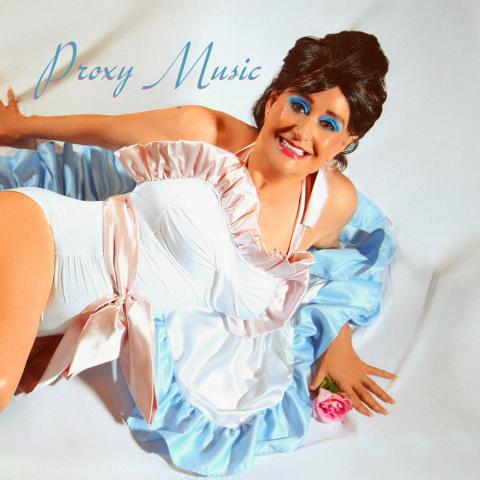
The cover of Proxy Music — a parody of Roxy Music’s first album, with a tarted-up Thompson in wig and makeup — was an intentional goof. “I just thought it was funny to be an ancient pinup, and it was too good an opportunity to pass up,” she says. “It’s made for a lot of interest. I should have taken notice of album covers before, because I just never bothered. I would say to people, ‘Just do whatever.’ But now I think it’s good to do something controversial on the cover.”

Born Linda Pettifer in London and partly raised in Scotland, Thompson became part of the British folk-rock scene that also birthed Fairport Convention and its most famous graduates, Sandy Denny and Richard Thompson. For a brief period, Nick Drake was a sorta-boyfriend. “It was a weird thing,” she recalls of the low-key Drake. “He would just show up at my house and play songs and we’d hang out. But it wasn’t — what can I say? — some great passion. It was very dispassionate.  But he was amazing. I wish I’d had recordings of all those songs he sang in my living room.”

She and Richard married in 1972 and soon began making records together. She says she doesn’t have what she calls the “horror stories” that other women in the music business did at the time. “But you did have the condescension and the ‘you can’t possibly know what you’re talking about,’” she recalls. “You couldn’t possibly say, ‘What about a mandolin here?’ They’d go, ‘What?’ But then ten minutes later they’d go, ‘Maybe we should try a mandolin on this.’ It was just the way it was. I became used to circumnavigating.”

When her first case of dysphonia kicked in, Thompson says it was manageable for a while. After a few hours in a studio, she would find that her voice would come back, but it was, she says, “very time consuming and annoying for everyone concerned. I couldn’t do anything quickly anymore.”

In 1982, Thompson left her for another woman he would soon marry, and the couple still had to carry on with a tour — ironically, to promote an album, Shoot Out the Lights, that was their most lauded. In what she calls “a delayed adolescence,” she decided to cope during the trek by drinking and taking antidepressants. (She would also express her anger at Richard by occasionally tripping him as he walked onstage.) The culmination, she says, was the night she passed out in front of an L.A. club and was rescued by Linda Ronstadt, who took her into her home and helped nurse her back to health. Ronstadt’s friend Jane Fonda came by and gave Thompson a copy of her then-ubiquitous workout guide. “She said, ‘Do all the exercises in this book,’” Thompson says, using her fingers to conjure Fonda’s legs on its cover and then making a motion with her hands that she chucked it.

Teddy, who was born in 1976, didn’t learn about his mother’s issues until later in life. “She just put music to one side and went about her life raising us [he and his sister Kami] and being a normal mother,” he says. “There was no sort of announcement of her saying to me, ‘I’m not going to sing anymore.’ It was just a slow petering out.” Looking back now, especially at the records she made, Teddy can hear the onset of her condition. “If you didn’t notice at the time, you can hear certain records now and go, ‘Oh, I can hear how she’s having trouble coming in at that right time.’”

On her own, Thompson made One Clear Moment, her first solo album, in 1985. An overproduced, synth-dominated record, she now calls it “ridiculous” (it’s the only time she sounds irked). But a few years later, Thompson’s bank account was fortified when one of its songs, “Telling Me Lies,” was covered by Ronstadt, Emmylou Harris, and Dolly Parton. A follow-up album, recorded in Nashville, was never finished (“There was a kind of slickness to the tracks that didn’t really suit me”), and with that and her vocal issues, Thompson began beating a retreat. She made more money from a jewelry store in London than in music: “It’s crazy, but, you know, I never expected to make money from folk music.”

A few albums followed, including 2002’s more acoustic Fashionably Late, which was instigated by the death of her mother and featured contributions from Richard. “Time heals all wounds once you get old,” Teddy says of the family dynamic. Proxy Music occasionally alludes to this stage of Thompson’s life; one song, “I Used to Be Pretty,” seems especially biting. “Well, I did used to be pretty,” she says matter of factly. “And it’s funny. You don’t realize when you have it when you’re pretty young. And once it’s gone, you’re kind of invisible.” She laughs. “But you know, that’s okay. It’s nice to be pretty.”

Proxy Music is also weighty in the sense that it may be Thompson’s last record of any kind; she knows there isn’t a huge market for Celtic-influenced songs like hers. She also chafes when the word legacy is brought up: “Legacy is a male concept. My kids are my legacy.”

Starlite finishes a run-through of “Hokey Pokey,” and Thompson claps and shouts “woo-hoo!” As she rehears songs from her past, Thompson says a few evoke an unsettling memory or period in her life. “And that’s good, because it means it’s affecting me,” she says. “I thought I was dead inside.”

Luckily, “Hokey Pokey” isn’t one of them. “God, that was 50 years ago!” she says of her marriage to Richard before referencing the song’s sly connection between sex and dessert. “It does make me want to have ice cream, though.”

Full Article

Pitchfork Review Linda Thompson 'Proxy Music'


LINDA THOMPSON PROXY MUSIC 7.5
Stricken by a disease that left her unable to sing, the British songwriter recruits a cast of guest vocalists for a set of songs that toy with assumptions about authorship and interpretation.

by Andy Cush
photo by Sean James

Linda Thompson is best known as a singer and interpreter of someone else’s songs. A specific someone else: Richard Thompson, her ex-husband, with whom she made a few of the greatest British folk-rock albums ever as a duo in the 1970s and early ’80s, lending dignified poise to his tales of suffering and strife. Linda made one album after they broke up, then began struggling with a condition called spasmodic dysphonia, which causes involuntary contractions of the larynx that can make it difficult to sing or speak. She focused on family life and released no new music until the early 2000s, when treatment with Botox relaxed her vocal cords enough for her to make a careful comeback. The three albums she’s released since then are remarkable not only for the renewed power of her voice, but also for her emergence as a songwriter, a craft she honed when it seemed like she might never sing again.

Thompson’s dysphonia has since worsened. Proxy Music, as its title cheekily suggests, is a collection of songs she wrote for other people to sing, inverting the composer-performer dynamic of her best-known work. With a few exceptions, the music, largely co-written with her and Richard’s son Teddy Thompson, could fit onto any of those classic ’70s records, with stately acoustic instrumentation and melodies that wind patiently without flashy pop hooks. Her sensibility as a lyricist is informed by the folk tradition, and she writes often about the sort of heartbreak and regret that also characterized her songs with Richard.

But she’s also funny—sharper and daffier than she ever got to be as her ex’s melancholy mouthpiece. In “Or Nothing at All,” a piano ballad about unrequited affection performed tenderly by Martha Wainwright, Thompson describes true love’s deliverance not in terms of high passion, but absurd clinical precision: “A hundred men in their white coats/Would check you with their stethoscopes/And hand you straight to me.” “Shores of America,” sung by Dori Freeman from the perspective of a pioneer woman leaving a lousy partner behind in the old world, contains a zinger so good it’s hard to believe no one’s gotten to it before: “And if it’s true/That only the good die young/Lucky old you/’Cause you’ll be around until kingdom come.”

Perhaps inspired by the unusual rotating-singer format or her years spent inflecting someone else’s words and melodies with her own personality, Thompson is playful and probing with notions of authorship and authenticity of voice that many other songwriters take for granted. She is especially attuned to the gradations of difference in perspective between a song’s writer, its singer, and the constructed character of its narrator. Proxy Music opens with “The Solitary Traveler,” an emotionally complex waltz whose lyrics, about a “wicked” woman who has lost her voice and the love of her child’s father, seem drawn from Thompson’s biography. But they also gesture in the direction of a folk-song stock role she was occasionally asked to play earlier in her career: the fallen woman, undone by her own bad choices, an object of both pity and scorn. By the end of the song, Thompson has turned this misogynistic archetype on its head. “I’m alone now, you’d think I’d be sad,” sings Kami Thompson, Linda and Richard’s daughter, brassy and assured. “No voice, no son, no man to be had/You’re wrong as can be boys, I’m solvent and free boys/All my troubles are gone.”

“John Grant,” delivered by former Czars frontman John Grant, has a narrator whose heart has been stolen by a man named John Grant. It is both a Being John Malkovich-style metafictional hall of mirrors and a sweet portrait of the mutual quirks that develop in long relationships. “A moment on the lips/A lifetime on the hips” is how Thompson recounts the couple’s shared love of sweets. Later, we learn that they’re tree-huggers, an identity they take literally. “It chafes the arms a bit,” Grant sings with a sort of auditory suppressed smile, “And we don’t know if they’re into it.” He also contributes some pleasantly noodly electronic keyboard lines, sounding a bit like Jerry Garcia when he used MIDI to turn his guitar into a synth in the late ’80s and ’90s. It’s a strange incursion on an album otherwise committed to rustic instrumental textures, but a welcome one, heightening the uncanny aspect of the song’s premise.

Proxy Music’s other experiments with relatively contemporary accents aren’t always as successful. The reverb-enhanced stomps, shouts, and claps of “That’s the Way the Polka Goes” serve to make its asymmetrical rhythm seem much more generic than it actually is, bringing an otherwise fine song dangerously close to Lumineers territory. “Three Shaky Ships” also has too much reverb, its cathedral-sized echoes and Rachel Unthank’s quietly portentous delivery evoking another mid-2010s musical cliche: It sounds like one of those spooky covers of famous pop songs you used to hear all the time in trailers for blockbuster movies.

The album’s stunning closer is “Those Damn Roches,” a tribute to the titular singing sisters and various other famous musical clans, with lead vocals from Teddy Thompson. The delicate arcs of lead guitar sound a lot like Richard’s own, which may not be coincidental. The guitarist is Zak Hobbs, Richard and Linda’s grandson, son of their eldest daughter, Muna. Richard himself, who has contributed in various ways to all but one of Linda’s post-comeback albums, sings backup. (He also plays guitar on “I Used to Be So Pretty” and co-wrote “Three Shaky Ships.”) Inevitably, the subject turns to their own family in the final verse. “Faraway Thompsons tug at my heart/Can’t get along ’cept when we’re apart,” Teddy sings. “Is it life, or is it art?/One and the same.”

Life and art have long been entwined with unusual intensity for Thompson. Shoot Out the Lights, her final album as a duo with Richard, was filled with songs about bitterly dissolving relationships, many of them apparently written while things were still happy between them, and released just as their real-life breakup was bringing their collaboration to an end. Proxy Music entwines them again. Turning Linda’s absence as a singer into a flickering subject of the music, rather than just an unfortunate circumstance of its creation, it is a strange and sometimes brilliant album—one that only Linda Thompson could have made, whether or not you can hear her singing.

Full Review HERE

Linda Thompson Proxy Music Heralded in UK Press

New York Times Feature Linda Thompson 'Proxy Music"

By Jim Farber

For years, the singer Linda Thompson faced a problem that, for someone in her line of work, seemed insurmountable.

Slowly over time, and then suddenly all at once, she lost the ability to hold a note surely enough to sustain even the simplest tune. “I first noticed something wrong back in 1972 when I got pregnant for the first time,” she recalled recently. “My voice became precarious — in and out.”

Consultations with doctors eventually brought a brutal diagnosis: spasmodic dysphonia, a neurological disorder in which the muscles in the larynx tighten or lapse into spasms, strangulating speech while making singing a significant challenge. (It’s an entirely different diagnosis from stiff person syndrome, which Celine Dion announced she has in 2022.) “It’s a progressive disease,” Thompson said of her condition. “So, for the first 20 years or so I could live with it. Up until my 60s, I could still sing in the studio, at least on good days.”

Now, at 76, that ability has withered entirely for Thompson, one of the most vaunted artists to rise from the British folk-rock scene of the ’60s and ’70s that brought the world Sandy Denny, John Martyn and Nick Drake. Between 1974 and ’82, she released six albums in tandem with her ex-husband, the master guitarist and songwriter Richard Thompson, culminating in “Shoot Out the Lights,” a work consecrated by critics, in part because of its forensic dissection of the couple’s own crumbling marriage. Thompson’s advancing dysphonia made her subsequent solo career fraught and sporadic, though she did manage to release four LPs before falling silent 11 years ago.

Even so, losing her voice didn’t mean forsaking her songwriting, a talent that led to a resourceful strategy for a comeback. Because almost everyone in Thompson’s extended circle of family and friends is a gifted vocalist, she thought, why not engage them to perform the songs and make an album from that? “It wasn’t exactly a brilliant idea,” Thompson said. “It was the only idea.”

What clinched it for her was the pun-y name she devised for the result: Proxy Music.”

READ the FULL STORY

Linda Thompson's 'Proxy Music' in New York Magazine's "Albums We Can't Wait To Hear This Summer"

39 Albums We Can’t Wait to Hear This Summer

From Johnny Cash rarities to Normani (finally).

Many of the artists on this summer’s release calendar seem to be driven by a simple goal — to put their most authentic selves on record. Sure, fans have heard “it’s my most personal album yet” a billion times, but this season’s slate goes beyond that and into “this is who I am right now — take it or leave it.” BTS leader RM and Glass Animals write about staying present after feeling unmoored; Polo G and Nick Cave confront pain and mortality with clarity; DIIV and Ani DiFranco rage with anger at the societal systems that harm us; and upstarts like Ice Spice and Remi Wolf indulge in stylistic leaps that they’d previously considered too bold. Simply put, few of them, if any, have time for bullshit this summer, and perhaps we should all follow suit. If that’s the warm-weather vibe you’re after between now and Labor Day, then there’s an album (or five) coming for you this summer.

Linda Thompson, Proxy Music (June 21)

A chronic vocal-cord condition may have robbed Thompson of her ability to sing, but she most certainly can still write. Undaunted by her malady, the 76-year-old kept writing songs and tapped a bunch of friends and family — including Martha and Rufus Wainwright, the Proclaimers, and John Grant — to record them, with ex-husband Richard providing guitar on several tracks. And if the album cover looks oddly familiar, that’s Thompson putting a cheeky spin on the photo from Roxy Music’s self-titled 1972 debut.

Read the full article HERE

ALBUM REVIEW: On ‘Sharing in the Spirit,’ Ana Egge Stirs the Recipe for Hope

Linda Thompson Announces Proxy Music, Her First Album in Over a Decade, Out June 21

Eleven New Songs Written by Linda and Featuring Guest Vocals by Teddy and Kami Thompson, Rufus and Martha Wainwright,  The Proclaimers, John Grant, Dori Freeman, The Unthanks, Ren Havieu, The Rails, and Eliza Carthy

Album Release Show Set For June 30th at City Winery in NYC

Listen to Lead Single “Solitary Traveller” Featuring Kami Thompson HERE

Today, English folk-rock icon Linda Thompson announces her first new album in over ten years, Proxy Music, set for release on June 21st via StorySound Records. The 11-track collection introduces a unique concept, as Thompson's new original songs are brought to life and performed by a handpicked ensemble of her closest family, friends and admirers. Noteworthy among these collaborators are The Proclaimers, Rufus and Martha Wainwright, John Grant, Dori Freeman, The Unthanks, Ren Havieu, Eliza Carthy, and Thompson's children, Kami Thompson and Teddy Thompson.

Alongside the album announcement, Linda Thompson releases lead single “Solitary Traveller,” featuring the vocals of her daughter, Kami. Reflecting on the essence of the song, Linda muses, “I wouldn’t know. I’ve never been one. But, if you have a lot of people in your life, you sometimes yearn for solitude. Conversely, solitary people often crave company. It is a bit of a dichotomy.”

Listen to “Solitary Traveller” HERE

Despite vocal limitations caused by a rare condition known as spasmodic dysphonia, Thompson—praised by Rolling Stone for possessing "one of rock and roll’s finest voices"—demonstrates her enduring songwriting prowess and versatility throughout Proxy Music. Songs like “Bonnie Lass” and “Mudlark” evoke traditional English folk ballads, while “Darling This Will Never Do” channels early 20th-century cabaret. Standout track “John Grant” features Grant himself singing wittily about a real-life encounter with Linda. “Those Damn Roches” humorously portrays folk music familial dynasties, including the Thompsons. The album's "proxy" theme extends seamlessly to its artwork, where Linda Thompson dons the iconic outfit from Roxy Music's debut cover, showcasing not only her musical depth and poignant compositions, but also her often-overlooked sense of humor.

Linda Thompson entered the London Folk scene in the late ‘60s, initially releasing singles under her maiden name, Linda Peters. However, it was her marriage with Richard Thompson that propelled her to wider acclaim, beginning with their landmark album, I Want To See The Bright Lights Tonight. Their collaboration continued with a series of lauded releases, culminating in the iconic Shoot Out The Lights in 1982. Since then, Linda Thompson has released four solo albums, including Dreams Fly Away, Fashionably Late, Versatile Heart, and Won’t Be Long Now, before her vocal condition hindered further projects.

To celebrate the release of Proxy Music, album collaborators Teddy Thompson, Martha Wainwright, and John Grant, along with friends Loudon Wainwright, Jill Sobule, and Syd Straw will perform at City Winery in New York City on June 30th, with Linda Thompson in attendance. Find more information here.

Proxy Music Track Listing

1. The Solitary Traveller - Kami Thompson

2. Or Nothing at All - Martha Wainwright

3. Bonnie Lass - The Proclaimers

4. Darling This Will Never Do - Rufus Wainwright

5. I Used To Be So Pretty - Ren Harvieu

6. John Grant - John Grant

7. Mudlark - The Rails

8. Shores of America - Dori Freeman

9. That’s the Way the Polka Goes - Eliza Carthy

10. Three Shaky Ships - The Unthanks

11. Those Damn Roches - Teddy Thompson

The Bluegrass Situation Premiere Roundup features Ana Egge's "Door Won't Close"

You Gotta Hear This: New Music From Ana Egge, Jaelee Roberts, and More

In the words of Chris Stapleton, “What are you listening to?” This week, our premiere round up is full of music we’re very excited to bring to your speakers and earphones.

Below, check out new videos from Ana Egge, Ordinary Elephant, and our brand new Rootsy Summer Session featuring Jim Lauderdale performing at a cute music shop in Falkenberg, Sweden. Plus, we’ve got new tracks from Jaelee Roberts, Parker Smith, Wyndham Baird, and Will Kimbrough. To top it all off, Phillip Lammonds performs “Forever Ain’t That Far Away” with his pal, the legendary Pam Tillis.

There’s so much to enjoy in our latest premiere round up, and if we do say so ourselves – You Gotta Hear This!

WATCH HERE

Artist: Ana Egge
Hometown: Ambrose, North Dakota
Song: “Door Won’t Close”
Album: Sharing in the Spirit
Release Date: May 17, 2024
Label: StorySound Records

In Their Words:“‘Door Won’t Close’ is about confronting an abusive person. One of the hardest things I’ve done in my life. I stood up to him on behalf of my sister and nephew. I opened the door to what he’d done by telling the truth and not allowing myself to be shut down by fear. Then I left the door open by telling his wife and friends about it. The song is mostly in conversation with his wife — her denial of his abuse and her support of him.” – Ana Egge

Track Credits:

Ana Egge – Vocals, acoustic guitar, harmony vocals
Michael “Squeaky” Robinson – Pedal steel
Alex Hargreaves – Fiddle
Rob Heath – Drums
Lorenzo Wolff – Bass
Devon Yesberger – Organ, Wurlitzer

Video Credits: Directed, filmed and edited by Haoyan of America.
Special thanks Alden Harris-McCoy and Cole-Berry Miller.


Ana Egge Spring Tour Dates Announced

Spring Headlining Tour + Dates with Iris DeMent and Bella White Announced

4/5    Pinecone Concerts, Raleigh, NC *

4/7    Village Concerts, Lynchburg, VA

5/16  NAC Opera House, Ottawa, Canada

5/17  Caffe Lena, Saratoga Springs, NY

5/18  The Local, Saugerties, NY

5/19  Littlefield, Brooklyn, NY

5/21  Tower Theater, Oklahoma City, OK +

5/23  The Kessler, Dallas, TX +

5/24  The Heights Theater, Houston, TX +

5/25  Kerrville Folk Festival, Kerrville, TX ++

6/1    Lippe HC, Seattle, WA

6/2    Showbar, Portland, OR

6/5    Old Steeple, CA

6/6    Little Saint, Healdsburg, CA

6/7    Lost Church, San Francisco, CA

6/8    Sandbox, Sand City, CA 

6/26 Bearsville Theater, Woodstock, NY +

6/28 Stone Mt. Arts Center, Brownfield, ME +

6/29  Park Theater, Peterborough, NH +

6/30  Wilco's Solid Sound Festival, North Adams, MA ++

8/13  The Ark, Ann Arbor, MI +

8/14  Buskirk Chumley, Bloomington, IN +

8/16  The Bijou, Knoxville, TN +

8/17  The City Winery, Nashville, TN +

8/18  Gunter Theater/Peace Theater, Greenville, SC +

* Support for Bella White

+ Support for Iris DeMent

++ in Iris DeMent's band 

Pages